Sustainable Development Fund
Reinvestment Fund’s Sustainable Development Fund (SDF) provides affordable financing to advance energy efficiency; electrification, and clean energy projects that reduce emissions and energy costs and support community-servicing organizations across PECO’s electric service territory.
About SDF
SDF pairs mission-driven capital with a practical, project-focused approach—helping organizations move from early planning to installation. Under SDF, Reinvestment Fund provides right-sized financing aligned with project timelines, incentive cycles, and repayment sources, supporting both straightforward installations and more complex retrofit and electrification scopes.
SDF offers two pathways: (1) core SDF loans for construction, equipment, and permanent financing, and (2) Access & Readiness support—including Catalyst Loans and Access Grants—to help smaller projects overcome upfront feasibility, design, and financing-readiness barriers.
History of SDF
SDF was established by the Pennsylvania Public Utility Commission (PUC) through PECO’s electric restructuring proceeding, with strong input from a coalition of environmental and consumer organizations that prioritized building a cleaner energy future for southeastern Pennsylvania. SDF later received additional funding and expanded responsibilities through the PECO/Unicom merger settlement, including resources to support wind development, solar photovoltaics, renewable energy education, and growth of SDF’s core fund.
Eligibility
Eligible Geography
SDF supports projects located in PECO electric service territory (the southeastern Pennsylvania counties of Bucks, Chester, Delaware, Montgomery and Philadelphia, in addition to sections of Lancaster and York Counties).
Eligible Entities
SDF financing can support nonprofits, mission-aligned for-profit businesses, and quasi-public entities (including schools, housing authorities, and local government).
Eligible Project Types
SDF Financing is available for projects involving:
- Electricity conservation and energy efficiency improvements in buildings (including energy retrofits, gut rehab and new construction).
- Installation of new energy-efficient production equipment.
- Implementation of demand-response solutions, including electric storage.
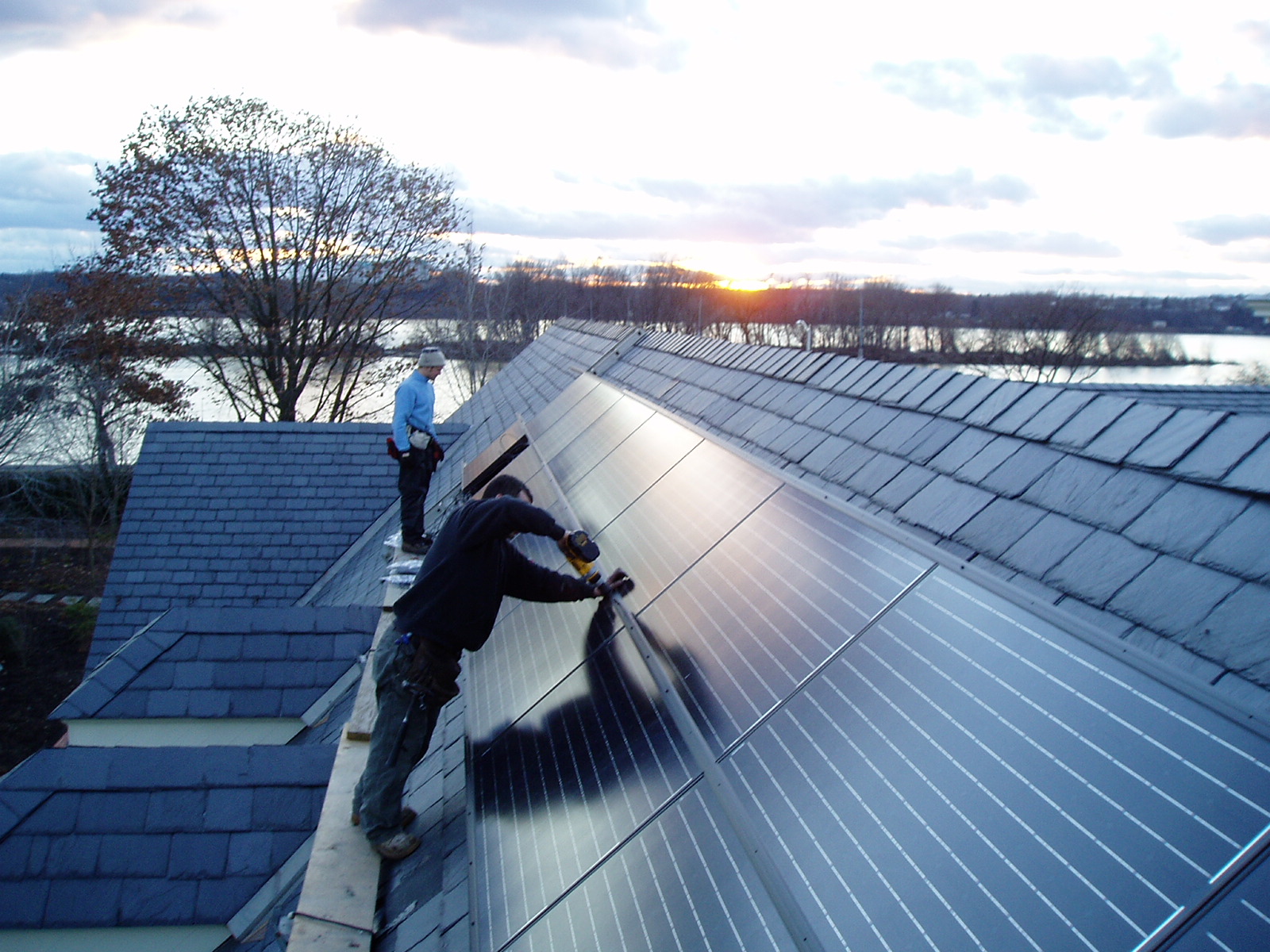
- Construction of energy projects that generate electricity from renewable energy sources such as solar, wind, hydro or biomass.
- Construction of energy projects that generate electricity from other advanced clean energy technologies such as fuel cells, combined-heat-and-power (CHP) or other advanced solutions.
Financing Offerings
1) Core SDF Loan Program
Through the core SDF loan program, Reinvestment Fund offers a full range of loan products—structured to match project timing and repayment sources and underwritten in accordance with Reinvestment Fund’s Credit Policy. Core SDF financing may include:
SDF’s affordable, flexible financing products include:
- Predevelopment loans
- Construction financing (new construction or rehab)
- Permanent and term loans
- Equipment loans and leases
- Energy conservation lease financing
- Financing for projects supported by Energy Savings Agreements (ESA), Energy Performance Contracts (EPC), and/or Power Purchase Agreements (PPA)
- Subordinated debt (where appropriate)
- Lease financing
- Energy Performance Contract financing
Loan sizing, pricing, and terms vary by project. All financing is subject to underwriting and approval.
2) Access & Readiness Capital Program (Small-Project Support)
SDF has designated a portion of its capital for the Access & Readiness Capital Program, designed for smaller organizations and smaller, electricity-focused projects that face early-stage readiness or capital-access barriers. The goal is to help projects reach a clear decision point and become viable candidates for implementation financing.
Requirements and Conditions:
- Matching contributions. Applicants are generally expected to provide a minimum 20% match for costs supported by Access & Readiness tools. Match may include organizational funds, philanthropic support, secured incentives/rebates, other capital sources, and (in some cases) pre-approved in-kind contributions. Match expectations may be adjusted in exceptional cases.
- Who Access & Readiness is for. Access & Readiness is intended for smaller organizations—generally those with annual operating expenses of $1,000,000 or less (up to approximately $1,500,000 in limited circumstances where access to capital is constrained and the project strongly aligns).
Financing Options under the Access & Readiness Capital Program:
A) 0% Interest Catalyst Loans
Purpose: Short-term, 0% interest loans to fund eligible early-stage costs that help bring a clean energy, electrification, or deep efficiency project to an implementation-ready stage.
Key characteristics:
- Interest rate: 0%
- Term: up to 24 months
- Typical size: $50,000–$150,000
- Repayment: expected to be repaid from implementation financing, capital campaign proceeds, or other reliable sources tied to project implementation
- Credit review: subject to Reinvestment Fund’s standard credit underwriting and the borrower’s demonstrated repayment plan
Catalyst Loans are typically appropriate when an applicant is otherwise creditworthy but lacks affordable predevelopment financing to advance the project.
B) Access Grants
Purpose: Non-repayable awards to address discrete technical, planning, or affordability barriers that prevent community-serving organizations from advancing clean energy and electrification projects.
Access Grants are used in two primary ways:
- Technical Energy Service Provider (TESP) / Readiness Pathway: funding technical and planning services that define/refine the energy scope and produce a decision-ready package
- Small-Scale Implementation Cost-Share: modest, targeted cost offsets for discrete, electricity-focused measures where a loan is not appropriate
Typical grant sizes
- Technical Energy Service Provider (TESP) / Readiness Pathway: approximately $15,000–$75,000
- Small-Scale Implementation Cost-Share: approximately $5,000–$25,000
Applying for an SDF Loan or Grant
The first step is to complete and submit the relevant Initial Financing Request Form for your project to SDF@reinvestment.com.
A member of the Reinvestment Fund team will review your Form and will follow up to confirm eligibility and program fit, request any additional information needed, and discuss next steps (including the appropriate financing pathway, timeline, and documentation requirements).
Financing Request Forms & Guidelines
Core SDF Loan Program
Access & Readiness Capital Program
QUESTIONS?
To learn more about SDF and its financing, email SDF@reinvestment.com.